
Etsy
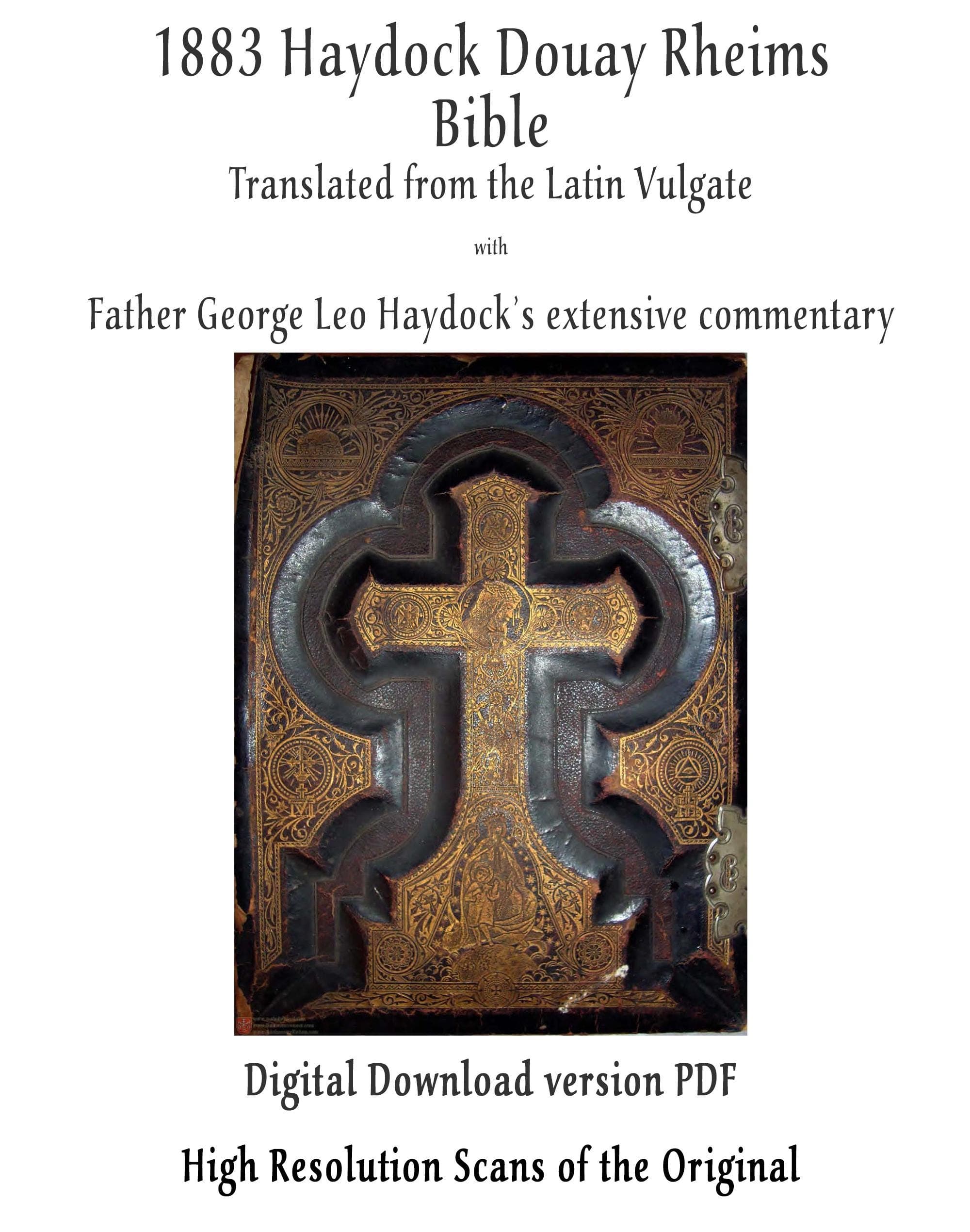
1883 Haydock Douay-Rheims Bible Translated from the Latin Vulgate. Council of Trent HIGH RES
$25.00
In stock
Description
1883 Haydock Douay-Rheims Bible Translated from the Latin Vulgate. Council of Trent
This is a digital download; no physical item or product will be sent.
You will receive a download-link & instructions after payment processes.
1883 Haydock Douay-Rheims Bible, This clean legible, Searchable, High Res, pdf
Contains the entire Canonical Scriptures, according to the decree of the Council of Trent.
Translated from the Latin Vulgate.
Translation from Hebrew, Aramaic and Greek texts and was the result of the efforts of Saint Jerome (345–420), was declared to be the authentic Latin version of the Bible by the Council of Trent.
The text covers the complete Old and New Testament as well as the books that are often referred to as the Apocrypha (Esdras, Esdras II, Tobias, Judith and Esther).
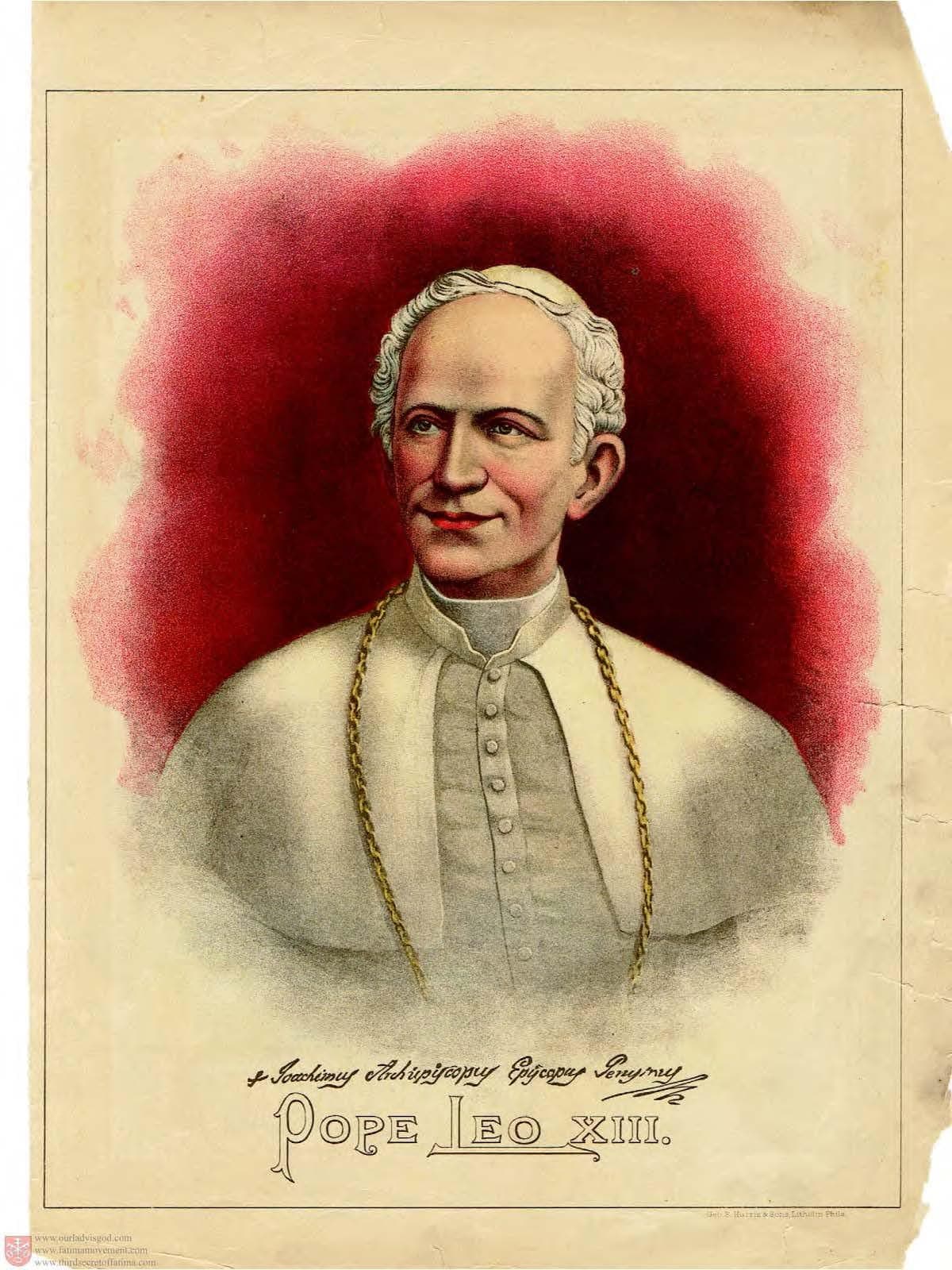
To support the study of this Bible many notes and explanations are added to the text in chapter descriptions and footnotes and a large number of additional sections, like portraits of pontiffs, archbishops and bishops,
An illustrated Catholic Bible Dictionary (128 pages),
History of the Books of the Holy Catholic Bible,
Life of the Blessed Virgin Mary and a full-color illustrated section on the stations of the cross,
Several galleries of scripture illustrations,
A table showing how the earth was re-peopled by Noah,
A list of the High Priests of the Hebrews, measurements and coins of the Bible, animals of the Bible, geology of Bible lands and so much more.
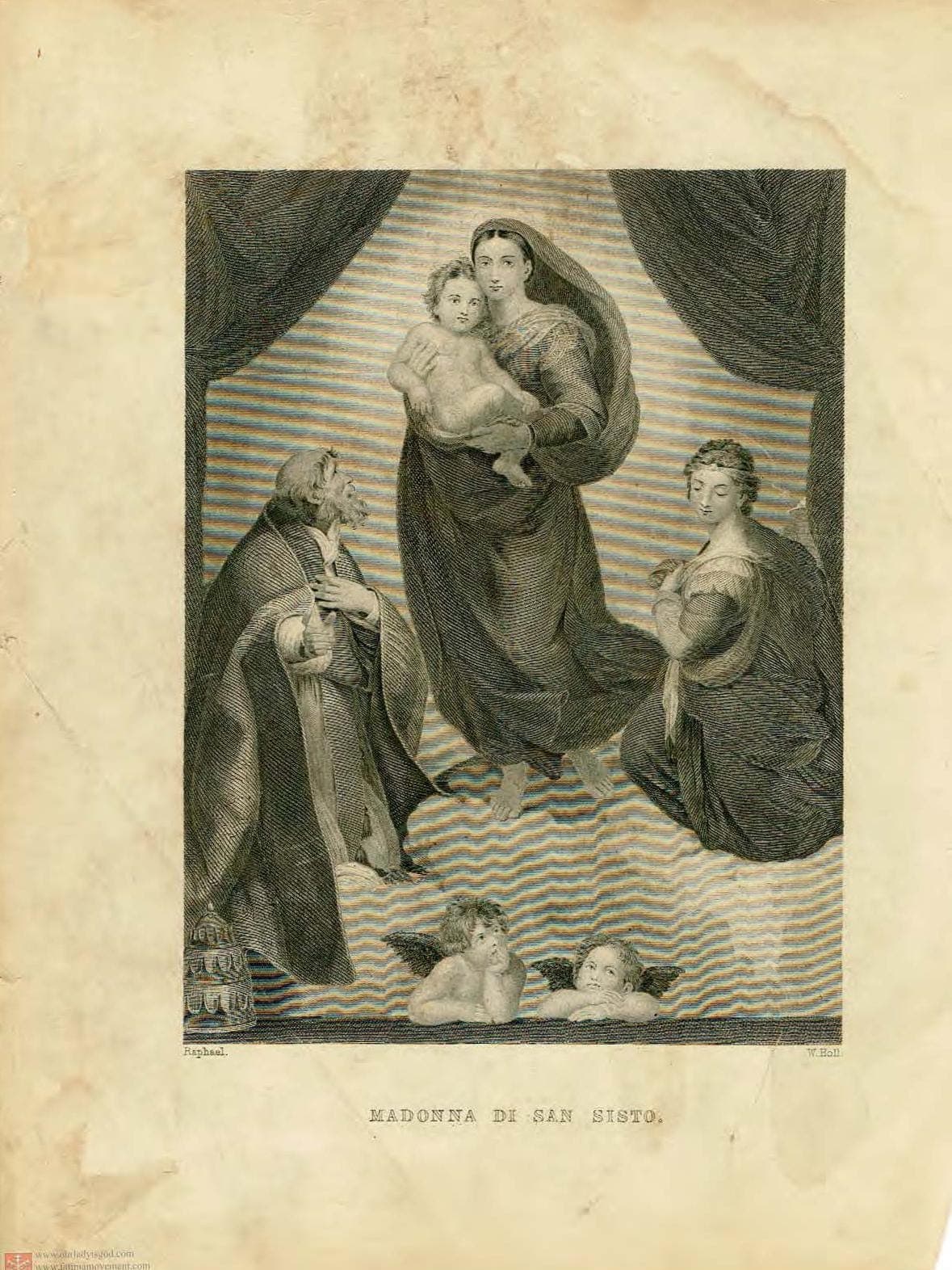
Beautifully illustrated with colored maps, steel plates and multiple full page Gustave Doré and Leonardo Da Vinci engravings.
There are also Approbations by various (American) cardinals and bishops indicating their approval of the Bible and of the notations by the Rev. George Leo Haydock.
The Old Testament, first published by the English College at Douay, A.D. 1609. The New Testament, by the English College at Rheims, A.D. 1582.
This PDF version is a detailed scan in 19 parts (easier due to the size of the book).
Contains Over 1903 color images.
The index contains descriptions of the multiple Jesuses.
Contains Excellent footnotes.
Extensive commentary by the Rev. Haydock.
The 1883 Haydock Douay-Rheims Bible holds a special place not only among traditionalist Catholics but also within esoteric and metaphysical circles, where the text is revered for its symbolic depth, spiritual resonance, and alignment with mystical traditions. Several factors contribute to its enduring popularity from a more esoteric perspective:
1. Alignment with Esoteric Catholic Mysticism
• The Douay-Rheims Bible, rooted in the Latin Vulgate, offers a translation that is steeped in mystical and sacramental language. The adherence to the Vulgate connects readers to the deeper spiritual currents of early Christian mysticism, which often emphasized the allegorical and symbolic meanings of scripture. The Haydock edition, in particular, reflects a worldview where divine truths are hidden beneath layers of symbolic language, appealing to those interested in esoteric interpretations of sacred texts.
2. Haydock's Commentary as a Bridge to Hidden Knowledge
• Father George Leo Haydock’s extensive commentary is not only a defense of Catholic orthodoxy but also serves as a key to unlocking deeper spiritual and metaphysical insights. Haydock’s notes draw from the Church Fathers, whose writings are rich in mystical allegory, symbolism, and deeper theological meanings. This makes the Haydock Bible a vital resource for readers who seek to understand the Bible not merely as historical text but as a living, esoteric document, revealing the hidden workings of divine principles and cosmic law.
3. The Doctrine of Logos and Spiritual Hierarchies
• The translation of the Douay-Rheims Bible preserves the sacred character of the Word as Logos—the divine principle of creation and order. For those attuned to esoteric metaphysics, the Logos is not just a religious concept but a metaphysical force that permeates the cosmos, shaping and sustaining reality. The Haydock Bible, by staying true to the Vulgate’s language, preserves the spiritual potency of the Word, allowing readers to engage with the text as a medium of divine energy and spiritual transmission.
4. The Bible as a Sacred Grimoire
• In esoteric traditions, sacred texts like the Bible are often viewed not only as scriptures but also as grimoires—texts that encode hidden knowledge and spiritual power. The 1883 Haydock edition can be seen as a mystical tool for spiritual practitioners who engage with scripture through the lens of ceremonial magic and contemplative practices. The Bible’s verses, when understood in their esoteric context, become invocations, sacred chants, and gateways to higher spiritual realms.
5. Numerology and Symbolic Translation
• The Douay-Rheims translation is considered more aligned with the Latin Vulgate, whose language is imbued with numerological significance. Esotericists, especially those influenced by Kabbalistic or Christian Hermetic traditions, find that the choice of words, sentence structure, and even numerical patterns within the Douay-Rheims Bible carry deeper metaphysical meanings. The Haydock commentary, with its meticulous attention to scriptural detail, aids in decoding these hidden patterns, offering readers access to a more layered and symbolically rich understanding of the Bible.
6. Connection to the Divine Archetypes
• The figures and narratives within the Bible, as presented in the Haydock edition, are not merely historical or moral lessons but representations of divine archetypes—universal spiritual forces that resonate across all levels of existence. For those with a metaphysical or Jungian perspective, the 1883 Haydock Bible presents these archetypes (e.g., Christ as the Redeemer, Mary as the Divine Feminine) in their purest form, allowing readers to contemplate and connect with these cosmic powers on a personal and spiritual level.
7. Timelessness and Spiritual Resonance
• Esoterically inclined readers value the 1883 Haydock Douay-Rheims Bible for its ability to transcend time. The text is not bound to modern trends or shifting linguistic interpretations; instead, it maintains a continuity with the ancient, eternal principles encoded within the Bible. For those attuned to spiritual traditions that seek to pierce the veil of temporal reality, the stability of this version makes it a powerful tool for meditative practice, ritual work, and theological study, allowing for a direct engagement with the timeless spiritual truths it conveys.
8. The Bible as a Key to Mystical Experience
• Ultimately, the Haydock Douay-Rheims Bible is appreciated in metaphysical circles as a gateway to gnosis—direct, mystical knowledge of the divine. The depth of Haydock’s commentary, combined with the richness of the Douay-Rheims translation, transforms this Bible into a spiritual guidebook, capable of leading readers beyond intellectual understanding and into contemplative experience and inner illumination. The layers of exegesis encourage a mystical dialogue with the divine forces, as readers engage with scripture as an interactive, spiritual process.
From this esoteric and metaphysical viewpoint, the 1883 Haydock Douay-Rheims Bible is not only a revered traditional Catholic text but also a sacred vessel of hidden wisdom, symbolic language, and mystical insight, offering a path for deeper engagement with spiritual realities beyond the material plane.