Home/Home & Decor/Islamic Wall Art/Paul Cezanne 'Le Jas de Bouffan' Vintage Art Print, Double Matted 14x18
Etsy
Paul Cezanne 'Le Jas de Bouffan' Vintage Art Print, Double Matted 14x18
$18.00
In stock
Description
This is a 14 x 18 inch professionally double-matted vintage art plate, "Le Jas de Bouffan."
The original oil painting was created by Paul Cezanne in 1885. This painting is from his later work, when Cézanne developed his mature style. His landscapes from this period are perhaps the first masterpieces of the mature Cézanne. These landscapes contain compositions of grand and calm horizontals in which the even up-and-down strokes create a clean prismatic effect.
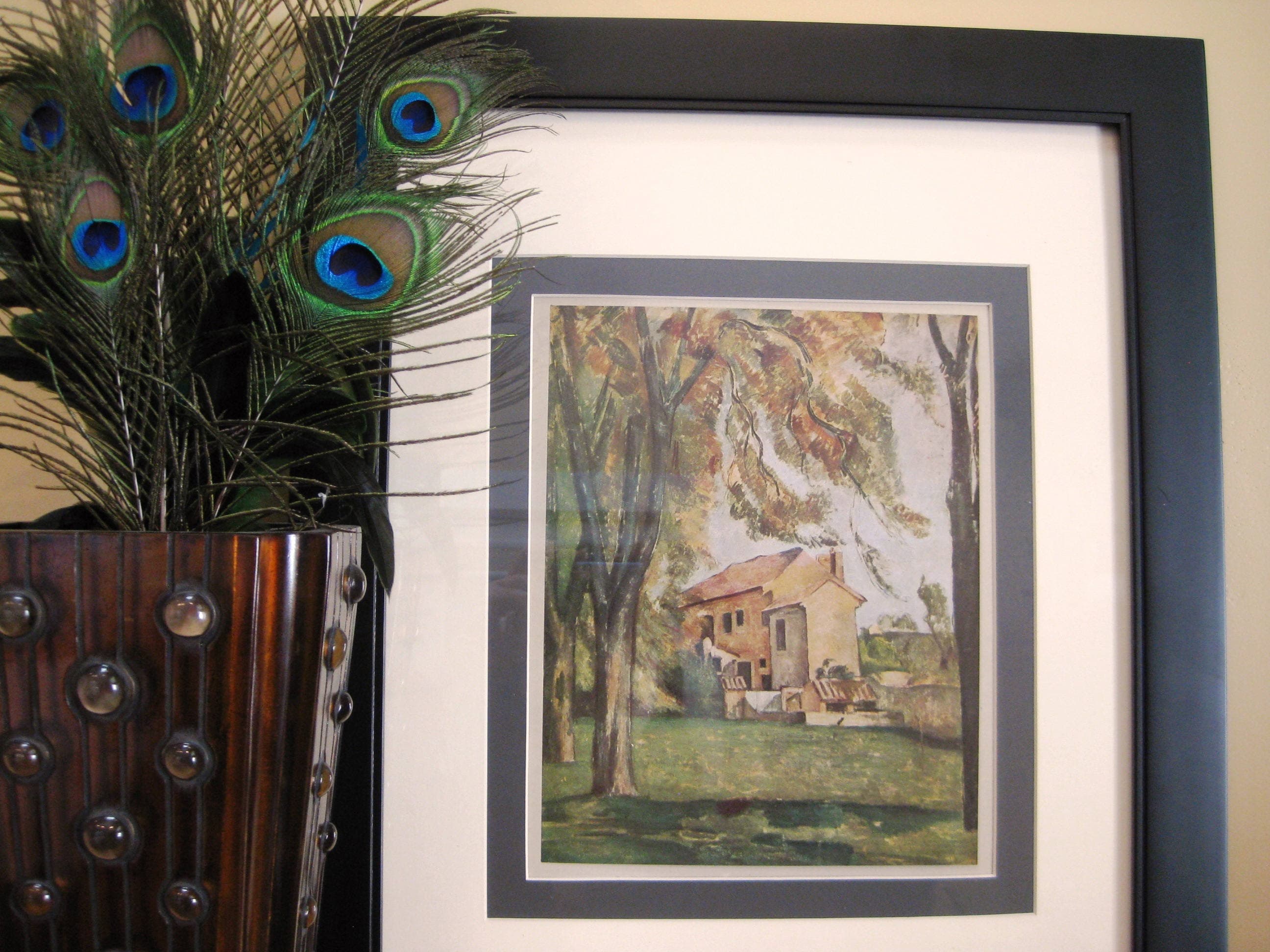
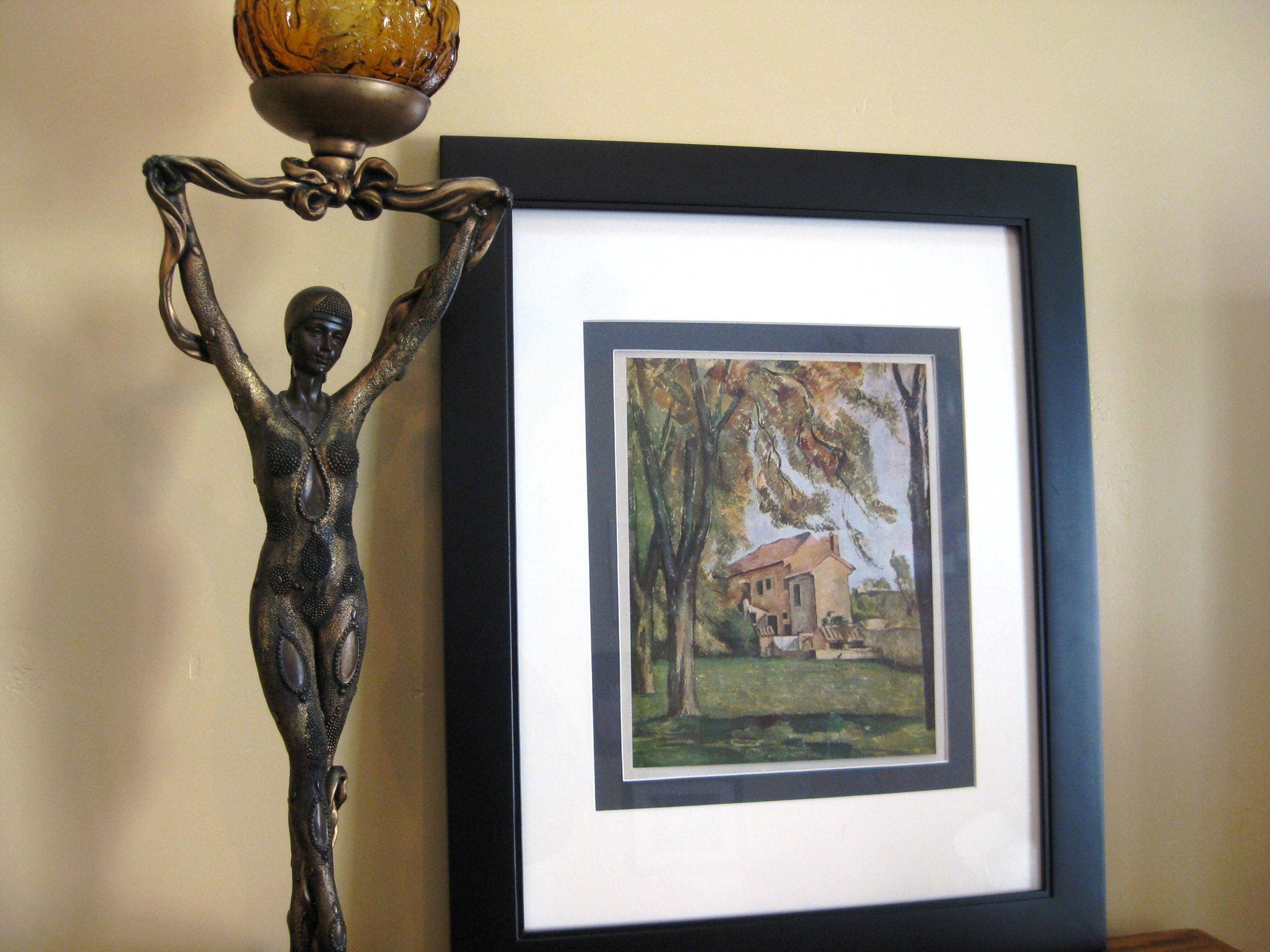
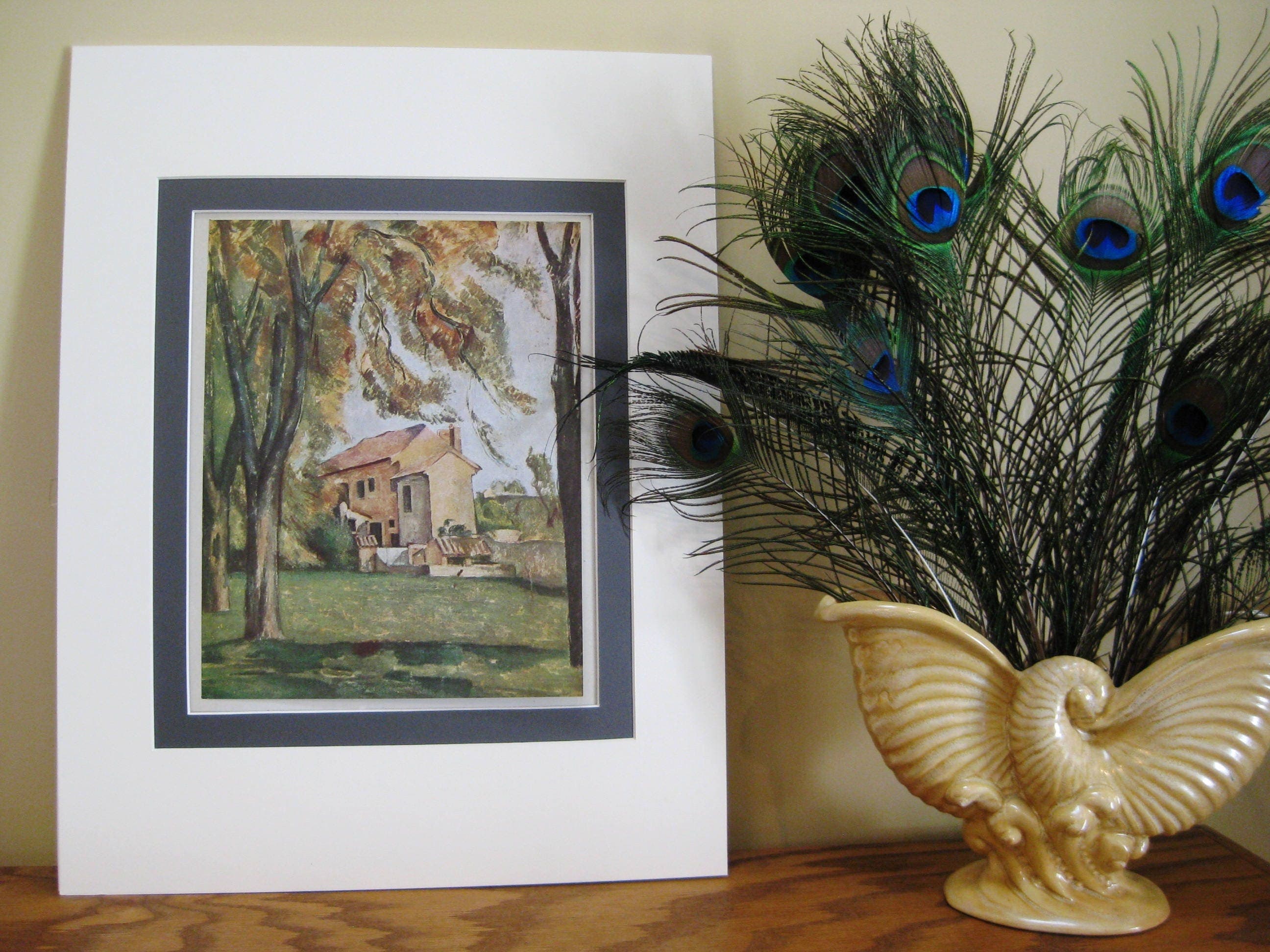
This matted vintage art plate will arrive to you ready to place into your standard-sized, 14 x 18 inch frame. The photos I’ve taken show how your print looks in the double mat, as it will arrive to you, and an example of how your matted print will look framed.
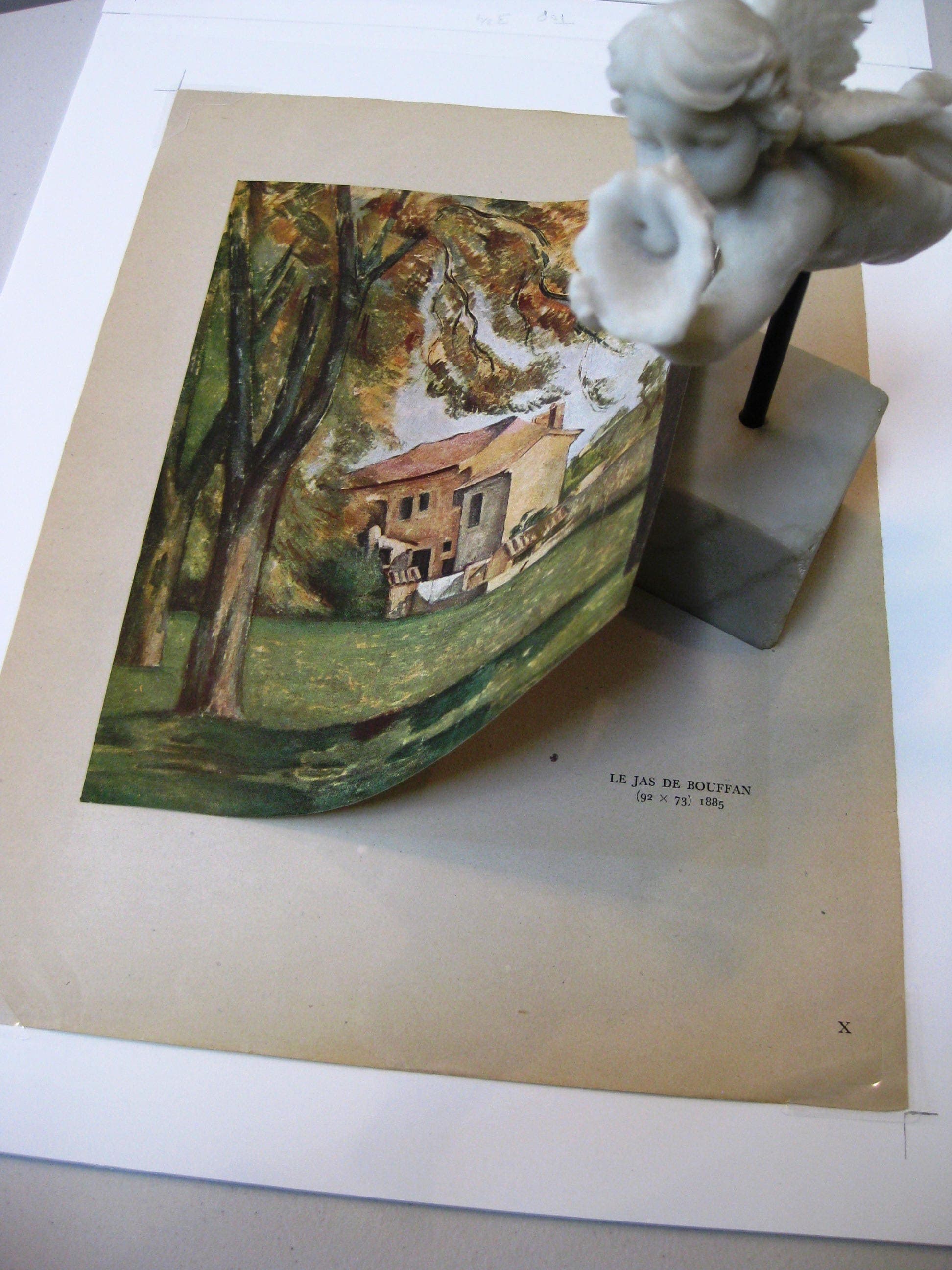
The art plate is matted with quality, USA made mat board. It is attached with archival polypropylene mounting corners to quality foam board. The mat is hinged with linen hinging tape.
This is an original vintage art plate from a 1945 first edition book, “Peintures De Cezanne,” published by Les Editions Du Chene, Paris. It is printed on semi-gloss paper. This is an authentic 72 year-old print, not a reprint or reproduction.
CONDITION: The print is in excellent vintage condition. The colors are deep, rich and vibrant. No issues to note.
Great for home or office decor!
• Mat dimensions: Width, 14 inches x Height 18 inches; 35.5 cm x 45.7 cm
• Print dimensions: Width, 10 ¾ inches x Height, 14 7/8 inches
• Image dimensions: Width, 8 inches x Height, 10 inches
• Mat colors: Ivory White (outer) and Dark Gray (inner)
Print is in great vintage condition. You will be receiving the original 1968 book page, which is now 72 years old.
I have learned through experience with various customers that Etsy opts for the USPS Priority Mail (1 – 3 days) when they compute the shipping charges for this item. Because of the size of the box I need to ship it in, it exceeds 20 inches in length, and is greater than 1 pound, a lesser expensive, but still good option for shipping is USPS Parcel Select Ground (2 – 9 days), which in most cases is at least half the cost of the rate for Priority Mail. Unless you tell me to do otherwise, I will choose the USPS Parcel Select Ground option for shipping, and will refund you the difference via the Etsy payment system on the day that I ship your order.
In addition, combined shipping is available for additional orders made at the same time when safe to do so, and I will return any savings to you via Etsy’s payment system.
Paul Cézanne, (born January 19, 1839, Aix-en-Provence, France—died October 22, 1906, Aix-en-Provence), French painter, one of the greatest of the Post-Impressionists, whose works and ideas were influential in the aesthetic development of many 20th-century artists and art movements, especially Cubism. Cézanne’s art, misunderstood and discredited by the public during most of his life, grew out of Impressionism and eventually challenged all the conventional values of painting in the 19th century because of his insistence on personal expression and on the integrity of the painting itself, regardless of subject matter.
From the late 1870s to the early ’90s, Cézanne developed his mature style. His landscapes from this period, such as The Sea at L’Estaque (1878–79), are perhaps the first masterpieces of the mature Cézanne. These landscapes contain compositions of grand and calm horizontals in which the even up-and-down strokes create a clean prismatic effect and an implacable blue sea spreads wide across the canvases. Like all his mature landscapes, these paintings have the exciting and radically new quality of simultaneously representing deep space and flat design. Cézanne knew well how to portray solidity and depth; his method was that used by the Impressionists to indicate form. In his own words, “I seek to render perspective only through color.”
Cézanne was to use essentially the same approach in his portraits. Cézanne also applied his principles of representation to his extraordinary still life paintings. He organized them as though they were architectural drawings, giving the most familiar objects significance and force through the intensity of the color and the essential simplicity of the form.
Full of the intensity of feeling aroused by his surroundings, Cézanne’s art was also deeply cerebral, a conscious search for intellectual solutions to problems of representation. He was not a truly abstract painter, for the ideas of structure that he wished to express were about reality, not design. In this, he was the major source of inspiration for the Cubist painters.
Although critical sympathy and public acceptance came to Cézanne only in the last decade of his career, his quest to see through appearances to the logic of underlying formal structure always drew admiration among his colleagues. His hope that his paintings would serve as a form of education for other artists was achieved when a number of important painters purchased his work, including Paul Gauguin, Pablo Picasso, Pierre Bonnard, Kazimir Malevich, Henri Matisse, and Marcel Duchamp. A 1907 retrospective showing of his works (56 paintings) was held at the Salon d’Automne in Paris and won considerable acclaim. That same year Picasso created his seminal “Women of Avignon”, clearly inspired by Cézanne’s groundbreaking Bathers of 1900–05. Indeed, Cézanne’s intellectual approach to formal issues—particularly his spatial explorations—laid the foundation for Picasso and other artists’ subsequent explorations with Cubism, while his investigations of colour and brushstroke influenced Matisse and other Fauve artists in the first decade of the century.
Cézanne is now recognized as the most significant precursor of 20th-century formal abstraction in painting, as he developed a purely pictorial language that balanced analysis with emotion and structure with lyricism. Picasso offered the most succinct assessment of Cézanne’s role for subsequent generations of artists, declaring that he was “the father of us all.”
More photos of this matted print are available and can be shared upon request.
Contact me with any questions.
Thank you for visiting RetroRitaGallery. I hope you will save me to your favorites and check back with me.
*Frame and accessories shown in photos are for inspiration only.
More in Islamic Wall Art
View all
Islamic wall art/Islamic calligraphy poster/Light upon Light modern abstract Islamic art/Islamic gift ideas/Muslim home decor/Arabic poster.
€9.12
Pink Islamic Wall Art: Floral Quran, Feminine Gifts, Housewarming, Nikkah, Arabic Calligraphy
£11.99
Personalized Cherry Blossom Wall Art Set - Pink Floral Decor for Girl's Room, Custom Name Nursery Prints, Butterfly and Flower Nursery Art
$15.00
It Never Gets Easier You Just Get Stronger Wall Decal – Gym Quote Sticker – Fitness Motivation Vinyl – Home Gym Decor – Workout Inspiration
£28.00
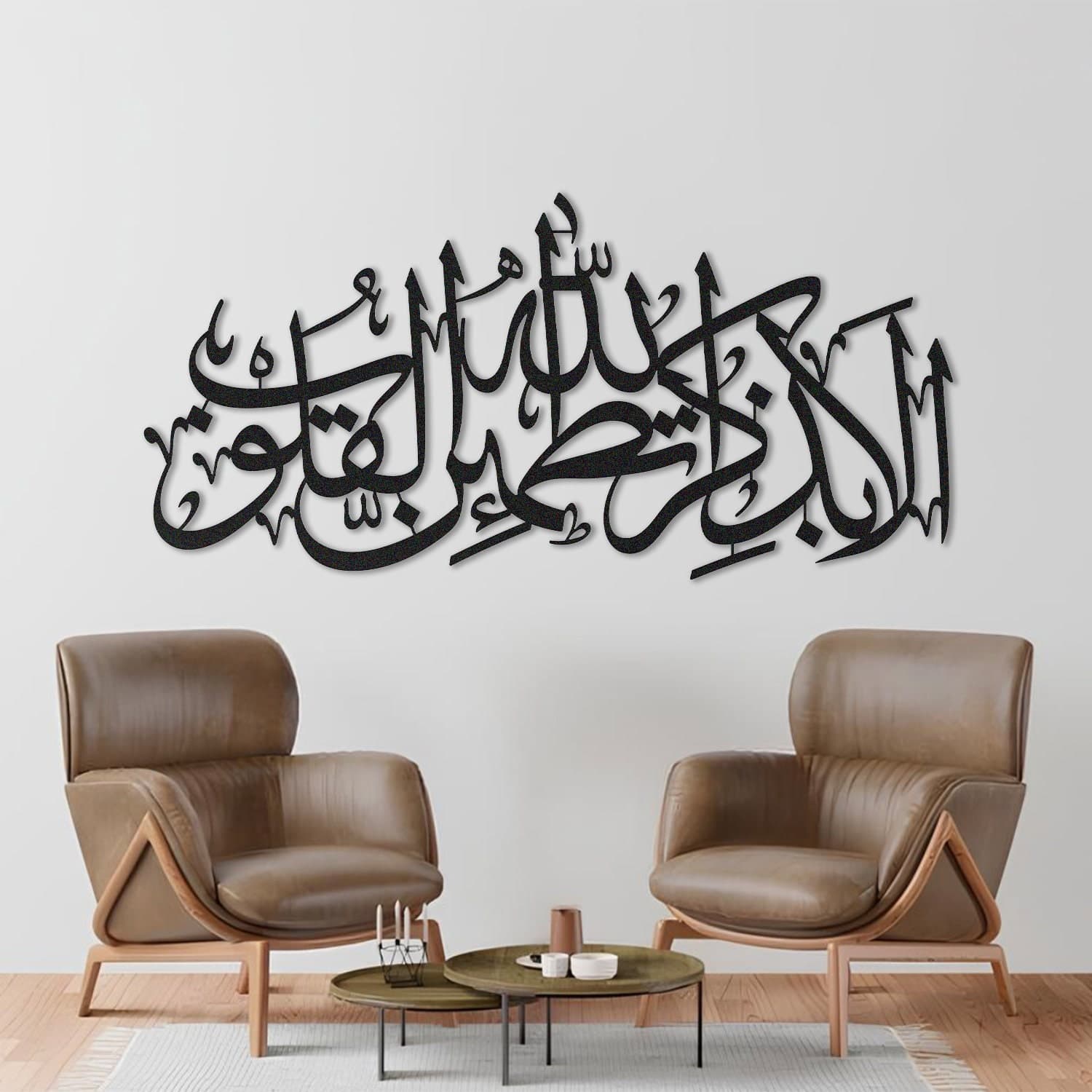
Metal Surah Ar-Ra'd İslamic Wall Art, İslamic Wall Art, Muslim Wall Art, Quran Wall Art, Arabic Wall Art,İslamic Art,İslamic Gifts,Eid Gifts
$120.92
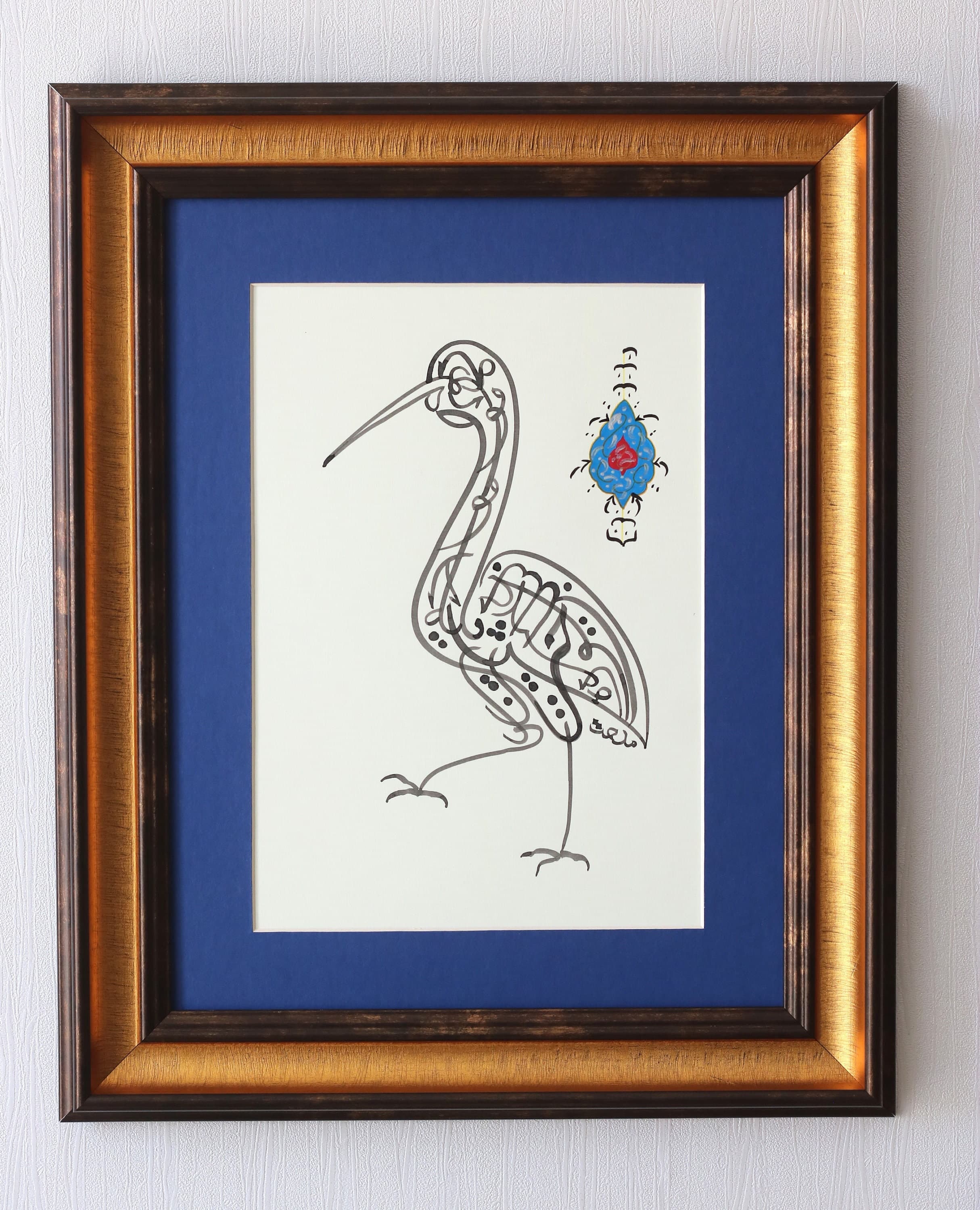
Handmade Framed Islamic Calligraphy Art, Bismillah Basmala Art
$89.00
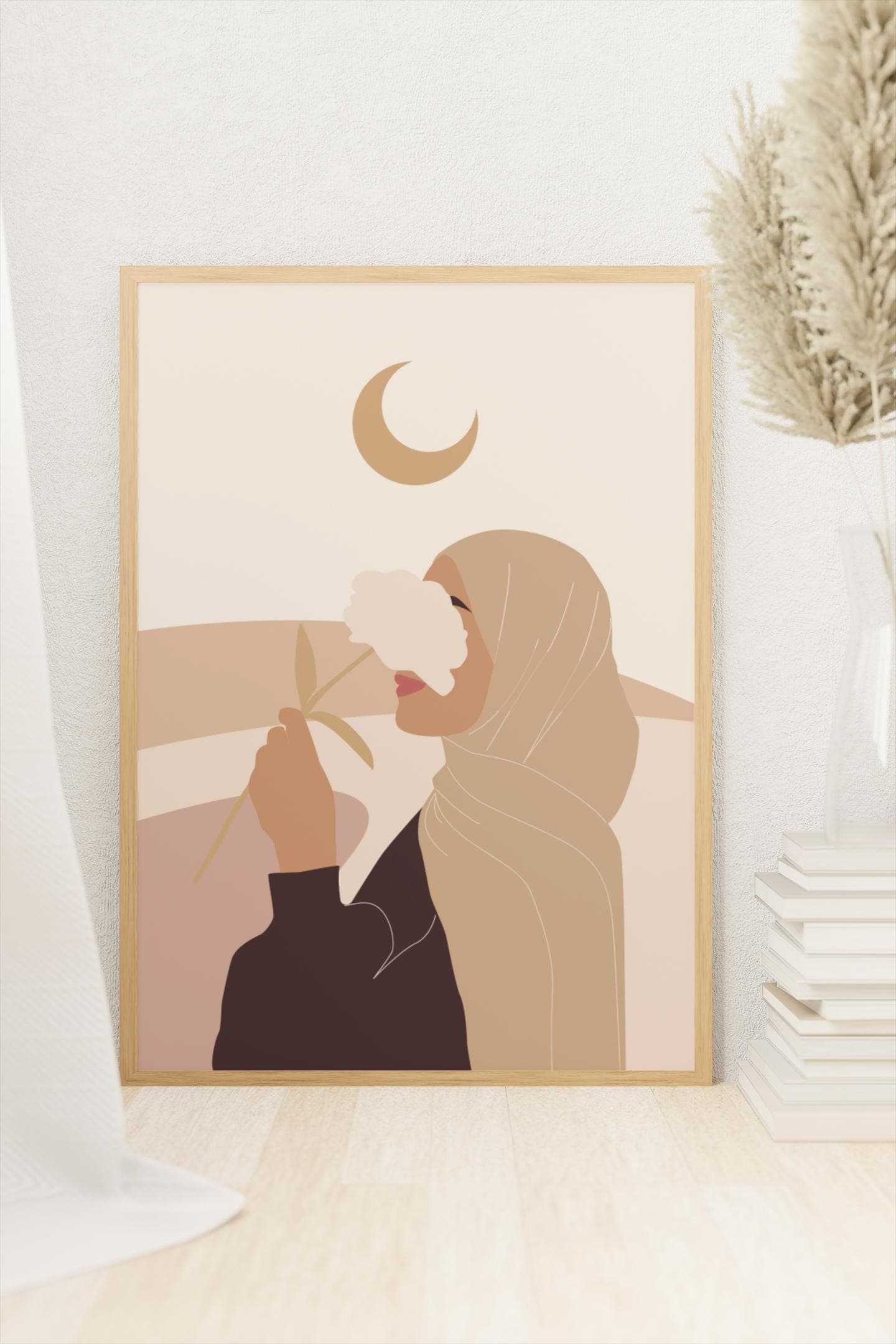
Hijab Wall Art Print – Boho Crescent Moon Muslim Illustration, Scandi Minimalist Decor A3
£14.99
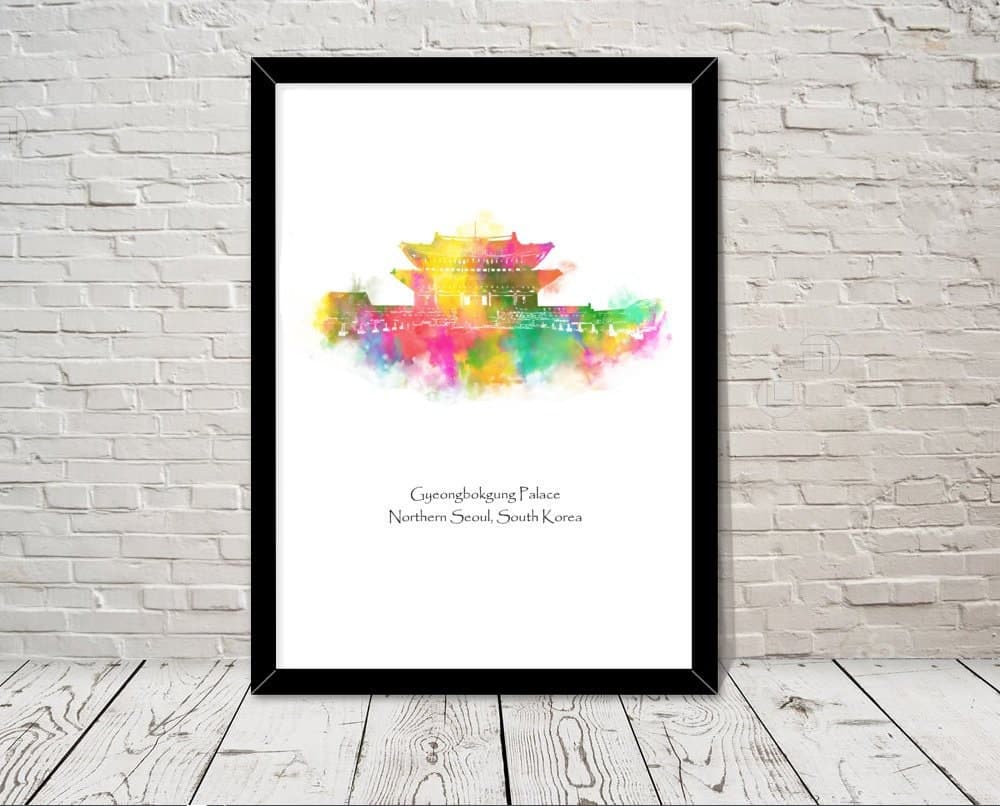
Gyeongbokgung Palace South Korea Watercolour illustration Print World Landmarks Attractions Famous Landmark Travel Poster historical sites
£8.00